
Your Local Driving Instructor in Stockport Book Now!
Learning to drive is about much more than passing a test. It is about developing the ability to control a vehicle, understand the road, anticipate hazards, and make sensible decisions without depending on someone else.
If you are searching for manual driving lessons in Lees, GP Driving School Stockport provides professional tuition for beginners, experienced learners, and drivers who want additional preparation before their practical test.
Manual driving can initially seem challenging because you have to coordinate the clutch, gears, accelerator, brakes, steering, mirrors, and road awareness. With the right instruction, however, these skills can gradually become second nature.
This article looks at the practical benefits of learning to drive a manual car and the ways professional lessons can help you become a more capable driver.
A manual driving lesson gives you an opportunity to learn in a structured environment while gradually becoming familiar with different road situations.
You are not expected to master everything in one session.
Instead, your instructor can introduce new skills as you become ready. You might begin with basic clutch control and moving off, then progress towards junctions, roundabouts, parking, independent driving, and more demanding traffic conditions.
This gradual progression can make the learning process easier to manage.
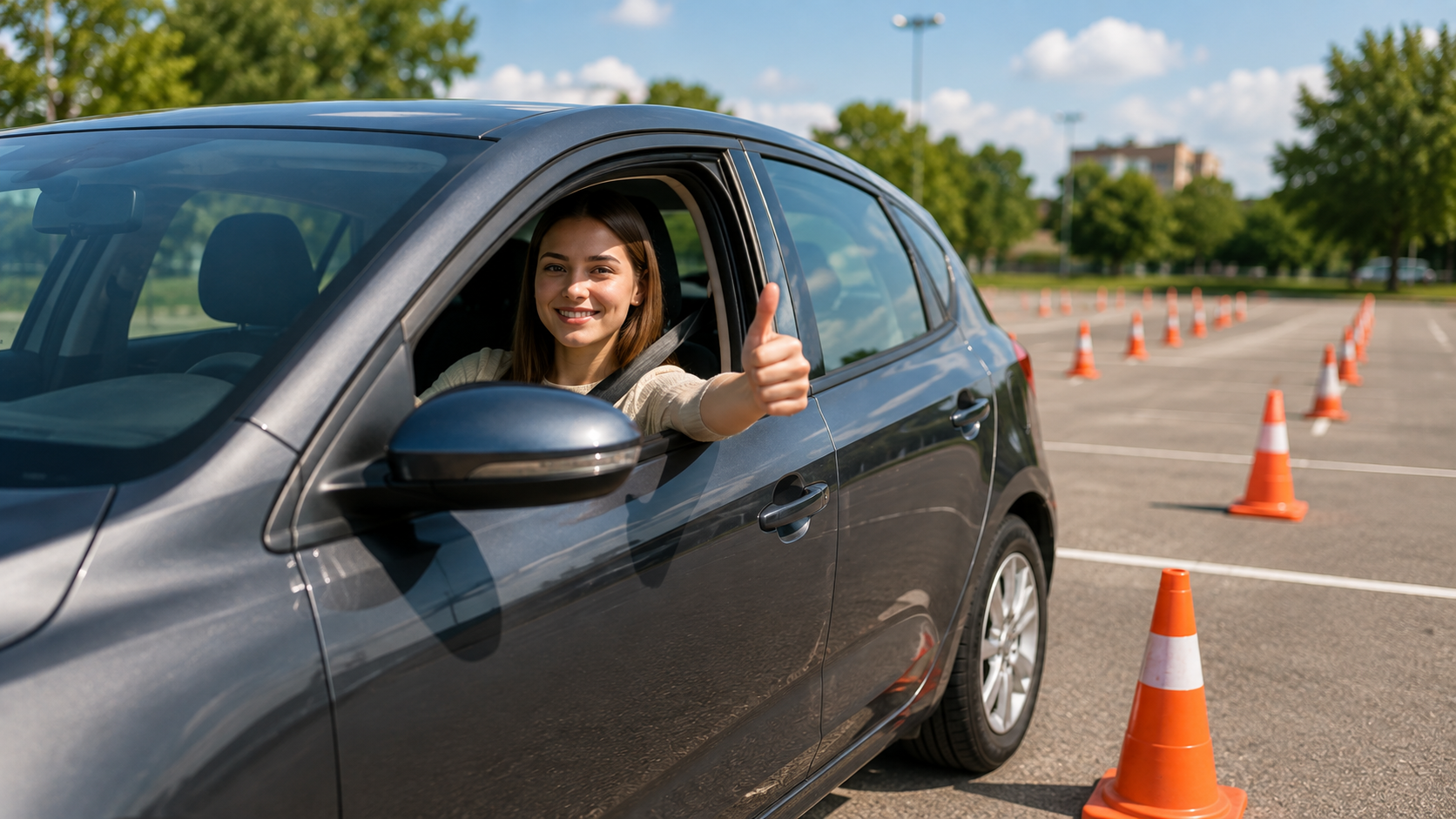
One of the biggest advantages of learning manual driving is developing direct control over the vehicle.
You learn how the clutch, gears, accelerator, and brakes work together and how to use them appropriately.
This can give you a better understanding of how the vehicle responds to different situations, including:
Slow-moving traffic
Hills
Junctions
Different road gradients
Parking
Reversing
Changing road conditions
The more comfortable you become with the controls, the more attention you can give to the road around you.
Manual lessons require coordination.
You need to operate different controls while steering and observing your surroundings. Although this may feel complicated initially, regular practice helps you develop smoother coordination.
You can gradually become more confident with clutch control, gear changes, acceleration, braking, and steering.
These skills form the foundation of competent driving.
Learning in a manual car can give you more flexibility when looking for a vehicle later.
If you only learn in an automatic vehicle, you may be limited depending on the licence you obtain. Learning manual driving gives you the opportunity to understand and operate manual vehicles as well as providing experience that can be useful when transitioning to other cars.
For learners who want greater choice, manual tuition can therefore be an attractive option.
Manual driving encourages you to understand the relationship between vehicle speed and gear selection.
You learn that different driving situations require different approaches.
For example, you may need to select a lower gear when appropriate for greater control, while higher gears can be used as speed increases when conditions allow.
Understanding this relationship can make you more aware of how your vehicle behaves.
Confidence does not usually appear after one lesson.
It develops when you successfully complete tasks that initially seemed difficult.
Perhaps your first hill start was stressful. After practising it several times, you may eventually perform it without thinking about every individual step.
The same applies to roundabouts, junctions, parking, and busy traffic.
Professional instruction gives you the opportunity to practise these situations in a controlled learning environment.
A good driving lesson is not simply about operating the car.
You also need to understand what other road users are doing.
Your instructor can help you develop better observation by teaching you to look ahead, check mirrors, identify hazards, and anticipate possible changes.
Over time, you can become more aware of:
Pedestrians
Cyclists
Parked vehicles
Buses
Motorcycles
Vehicles emerging from side roads
Changing traffic conditions
Road signs
Junctions
Potential hazards further ahead
This awareness is essential for safe driving.
Driving requires constant decisions.
You need to decide when to slow down, whether it is safe to proceed, which lane to use, when to change gear, and how to respond to other road users.
Lessons can help you develop a decision-making process based on observation and anticipation.
Instead of reacting at the last moment, you can learn to recognise situations earlier and plan accordingly.
Busy traffic can be intimidating for new drivers.
There may be vehicles changing lanes, pedestrians crossing, traffic lights changing, parked cars narrowing the road, and queues forming ahead.
Your instructor can gradually introduce you to busier conditions as your skills develop.
This allows you to practise remaining calm, maintaining appropriate spacing, controlling your speed, and making sensible decisions.
Lees and surrounding areas can provide useful opportunities to develop confidence on roads with different gradients.
Hill driving is particularly useful for manual learners because it requires good control of the clutch, accelerator, and brakes.
Your instructor can teach you how to approach inclines and practise moving off safely.
With experience, situations that initially seem difficult can become routine.
Manual driving lessons can help you become comfortable controlling a vehicle at low speeds.
This is particularly useful when:
Parking
Reversing
Manoeuvring
Entering narrow spaces
Driving in slow traffic
Approaching busy junctions
Performing driving-test manoeuvres
Learning to make small and controlled adjustments can improve your overall vehicle handling.
If you have never driven before, professional lessons can give you a clear starting point.
Your instructor can explain the vehicle’s controls and introduce driving skills in a logical order.
You can start with basic tasks before gradually moving onto more complicated situations.
There is no need to compare your progress with another learner. Everyone develops at a different pace.
The important thing is to understand each skill properly and become more consistent over time.
Manual driving lessons can also be useful if you already have experience.
Perhaps you have completed several lessons but still feel nervous. Maybe you stopped learning for a while and want to rebuild your confidence.
You may only need additional help with particular areas such as:
Roundabouts
Junctions
Clutch control
Gear changes
Parking
Reversing
Independent driving
Road positioning
Hazard awareness
Busy traffic
Targeted lessons can concentrate on the areas that are currently preventing you from progressing.
One of the most important benefits of professional driving lessons is learning to make decisions independently.
During your early lessons, your instructor may provide frequent guidance.
As you improve, those prompts can gradually be reduced.
You can begin choosing your own road position, planning your approach to junctions, responding to hazards, and following directions with less assistance.
This prepares you for driving without an instructor sitting beside you.
Passing the practical driving test is an important objective for many learners.
However, being test-ready means demonstrating consistent and safe driving rather than simply knowing a particular route.
Your lessons can help you practise:
Independent driving
Junctions
Roundabouts
Meeting and passing traffic
Appropriate speed
Road positioning
Parking
Reversing
Moving off
Mirror use
Signalling
Hazard awareness
Manual vehicle control
Your instructor can also identify recurring mistakes and help you work on them before your test.
Mistakes are part of learning.
Stalling the vehicle, choosing the wrong gear, approaching a junction too quickly, or positioning incorrectly can all become learning opportunities when handled safely.
Instead of simply being told that something was wrong, you can understand why it happened and what you can do differently next time.
This helps you develop better judgement rather than relying entirely on memorised instructions.
Professional tuition can help you establish good habits early.
These may include:
Checking mirrors regularly
Looking ahead
Maintaining safe distances
Controlling speed
Anticipating hazards
Signalling appropriately
Positioning correctly
Remaining patient in traffic
Considering pedestrians and cyclists
Once these habits become automatic, they can continue to benefit you long after you have passed your test.
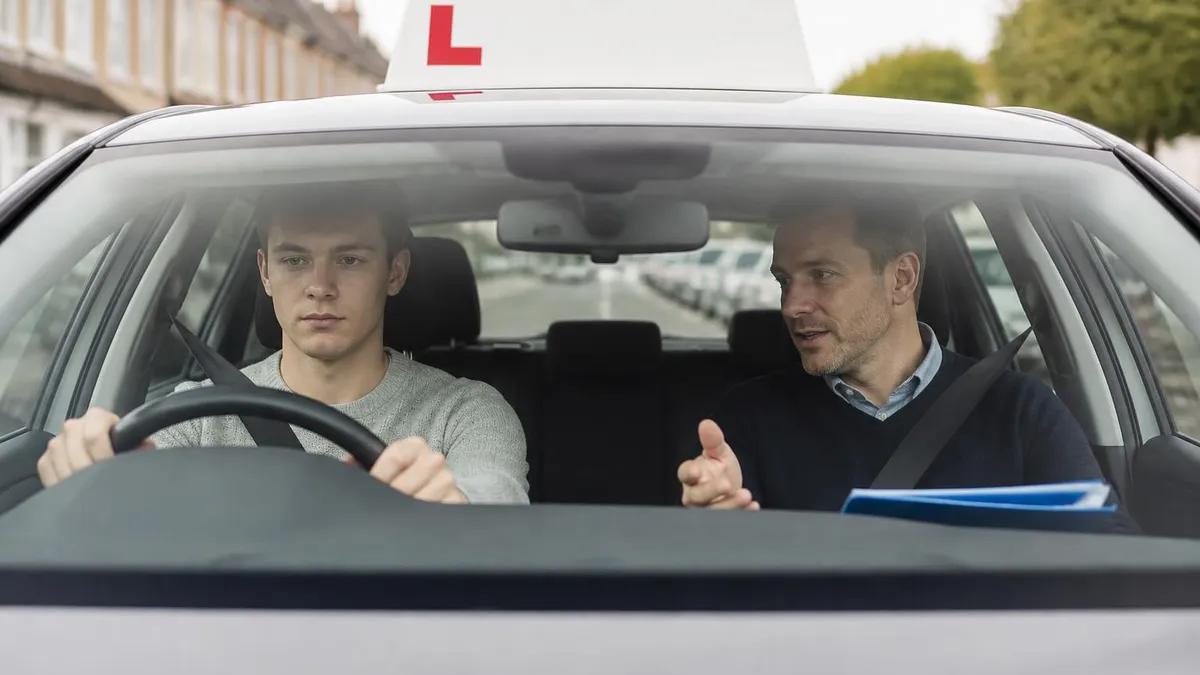
Every learner has different strengths and weaknesses.
One learner might understand clutch control quickly but struggle with roundabouts. Another may be comfortable in traffic but need more practice with manoeuvres.
One-to-one instruction allows the lesson to be adapted accordingly.
Your instructor can spend more time on difficult areas and move forward when you are ready.
This can make your training more relevant to your individual needs.
Some learners feel nervous when they first begin driving.
The road can seem unpredictable when you are still learning how to control the vehicle.
A structured lesson can make situations feel more manageable because you have an experienced instructor beside you.
As your ability develops, you can gradually take on more challenging situations.
Successfully handling those situations can provide a significant confidence boost.
A driving licence is useful, but the skills you develop during your training can be even more important.
Once you have passed your test, you will still need to deal with unfamiliar roads, different traffic conditions, weather changes, parking situations, and unexpected hazards.
The purpose of professional tuition is therefore to give you skills that remain useful beyond the test.
GP Driving School Stockport currently lists a 2-hour manual driving lesson for £76 and a 10-hour manual block for £360.
Prices and availability can change, so learners interested in lessons in Lees should contact the driving school directly to confirm the latest information and booking arrangements.
GP Driving School Stockport provides manual and automatic driving tuition with DVSA-approved instructors.
The school highlights:
DVSA-approved instructors
One-to-one training
A friendly learning environment
Structured lessons
Individual tuition
Manual and automatic options
Practical test preparation
The focus is on helping learners become confident and safe drivers rather than simply rushing towards a test date.
Not every learner has exactly the same reason for learning.
You might want to pass your test as soon as you are ready. You may need a licence for employment. Perhaps you want greater independence or simply want to become more confident behind the wheel.
Whatever your reason, your lessons can focus on the skills that matter most to you while maintaining the fundamental principles of safe driving.
If you are looking for manual driving lessons in Lees, GP Driving School Stockport can help you develop your driving skills through structured, individual tuition.
From your first clutch-control exercise to independent driving, each stage of your training can contribute to becoming a safer and more confident driver.
The benefits go beyond passing the driving test. You can develop better vehicle control, stronger observation, improved decision-making, greater confidence, and the ability to deal with a wider range of real-world driving situations.
For current availability and booking information, contact:
GP Driving School Stockport
Stockport, United Kingdom
Phone: 07974 303207
Email: info@gp-drivingschoolstockport.co.uk
You do not need to be confident before starting your lessons. Confidence comes through learning, practice, feedback, and experience.
If you are ready to learn manual driving in Lees, contact GP Driving School Stockport and discuss your requirements.
Start your lessons, develop valuable driving skills, and work towards becoming a safe, confident, and independent driver.

